Energy Independence for SMEs: A Visit to August Weckermann
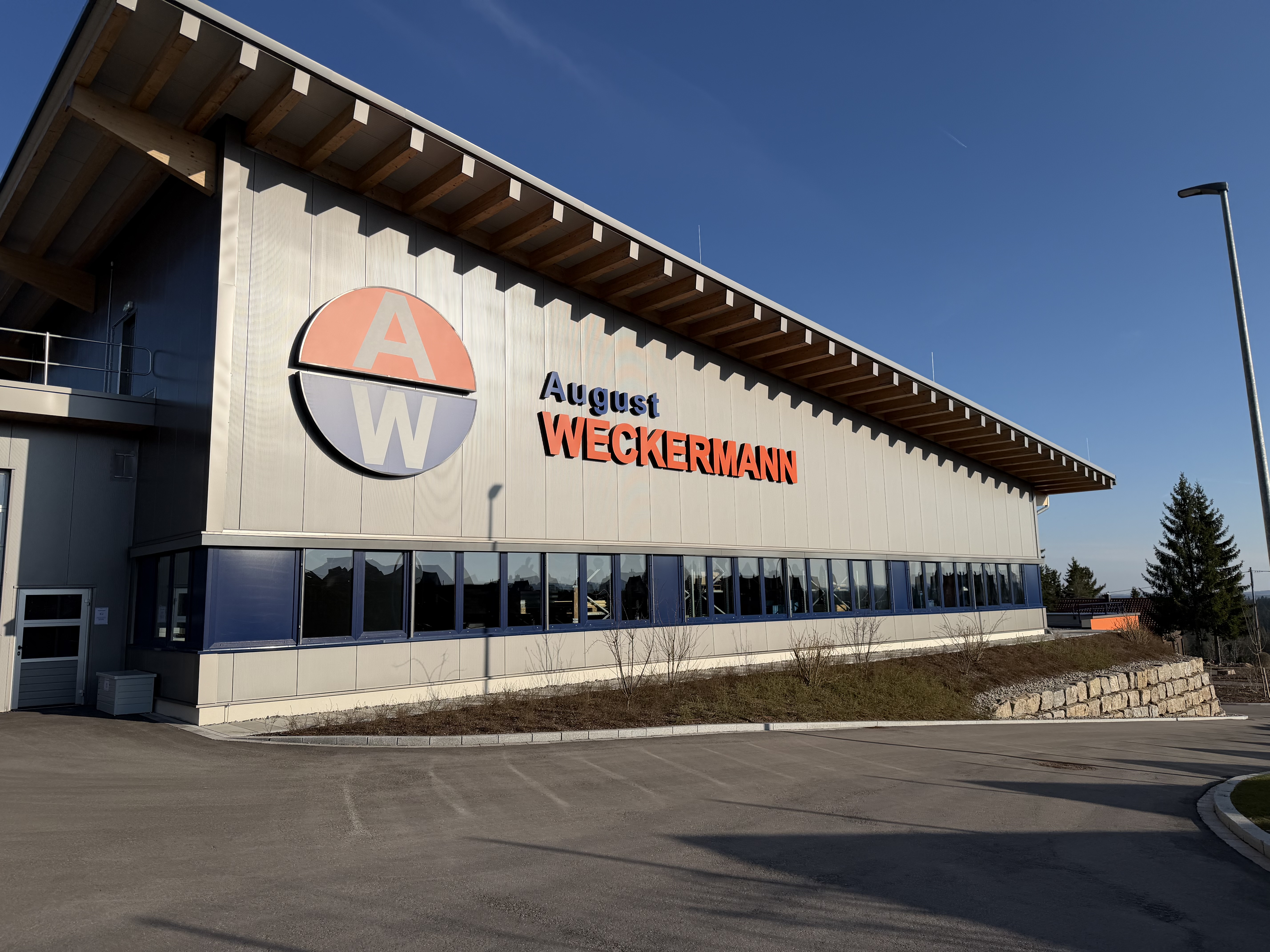
Energy Self-Sufficiency in SMEs: A Visit to August Weckermann in Eisenbach
What does the energy solution of the future look like – not as a concept on paper, but as an operational system in a medium-sized production company? This question led me to the Black Forest on March 19, 2026, to August Weckermann KG in Eisenbach. What I saw there is, in its depth of integration and control, unique in Germany to date.
A Family Business with an Inventor's DNA
August Weckermann KG is not a typical energy pioneer. Since 1885 – now in its fifth generation under David Dudlinger – the company has been producing diamond-finished surfaces for premium customers such as Hansgrohe, Grohe, Dornbracht, Montblanc, and Burmester. 151 employees, over 30 million euros in revenue, approximately 4,000 tons of material throughput per year. A classic Black Forest medium-sized company with a high degree of vertical integration and a clear mission statement: Aesthetics, precision, and an inventive spirit.
It was precisely this inventive spirit that led the company, when constructing a new building at the sunnier mountain location, not only to build a new production hall but also to implement an integrated energy and thermal concept that is unparalleled.
The Overall System: PV, Battery, Hydrogen, and Thermal Circuit
The AWVision23 project combines several technologies into a circular system where every kilowatt generated is intended to have a dual effect – once as process energy, once as heat.
| Component | Specification |
|---|---|
| Photovoltaics (Roof + Open Space) | Peak up to 2,700 kW, approx. 2.5 million kWh/year |
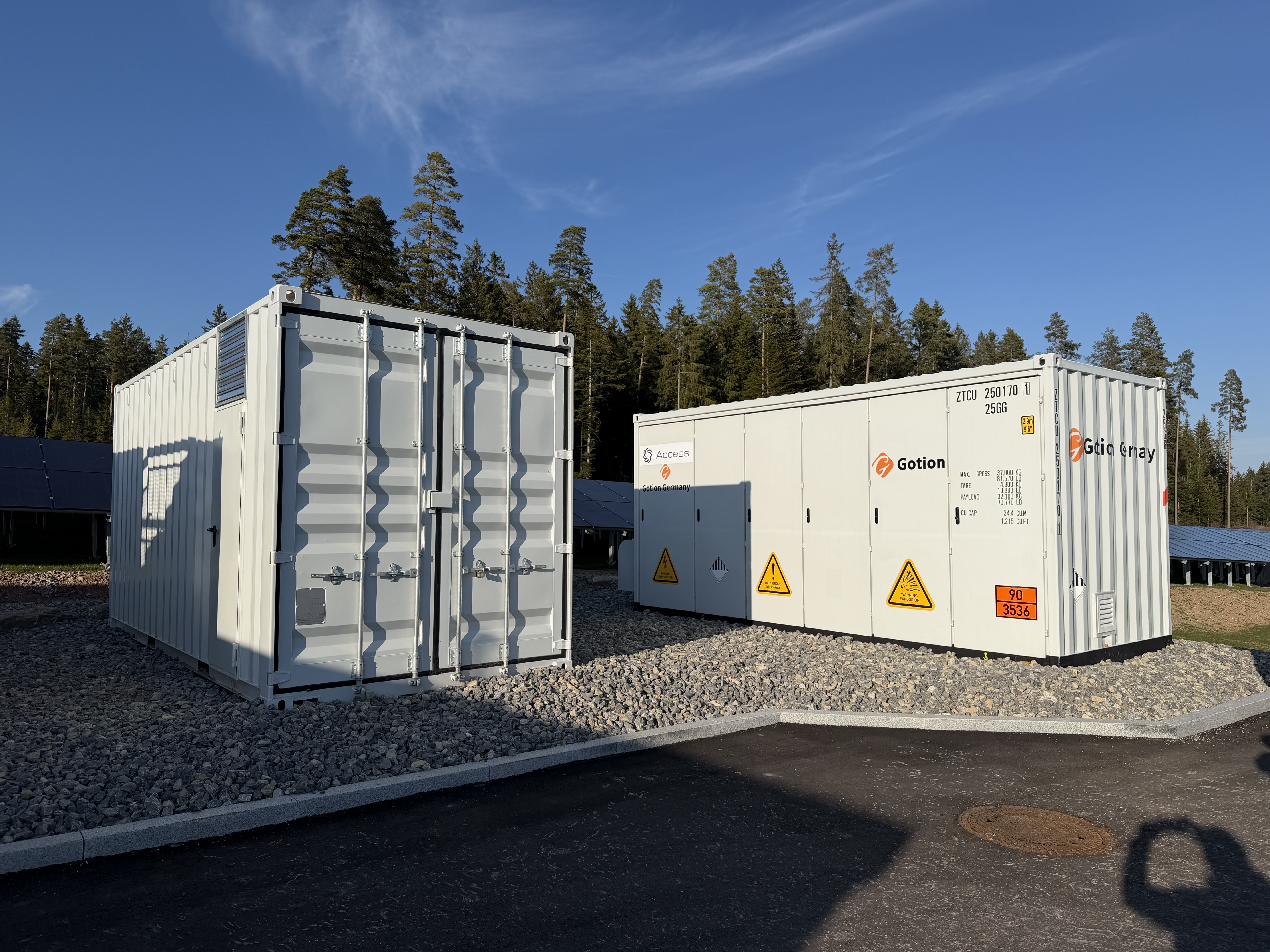
| LFP Battery Storage | 3.4 MWh / 1.7 MW (Gotion Germany) |
| Electrolyzer | 300 kW (Kyros), modular 3×100 kW, 5.4 kg H₂/h |
| Hydrogen Storage | 4× 150 m³ (WACO), approx. 1,400 kg H₂, 40 bar |
| Fuel Cell | 80 kW electrical (Future D) |
| Thermal Storage | 200 m³ fire water basin |
| Self-Sufficiency Rate | up to 90 % |
| Investment | 8 million €, of which 2.5 million € in funding (State of Baden-Württemberg) |
The plant's demand is around 2 million kWh per year – meaning the system produces more than the plant consumes, thus achieving true energy self-sufficiency.
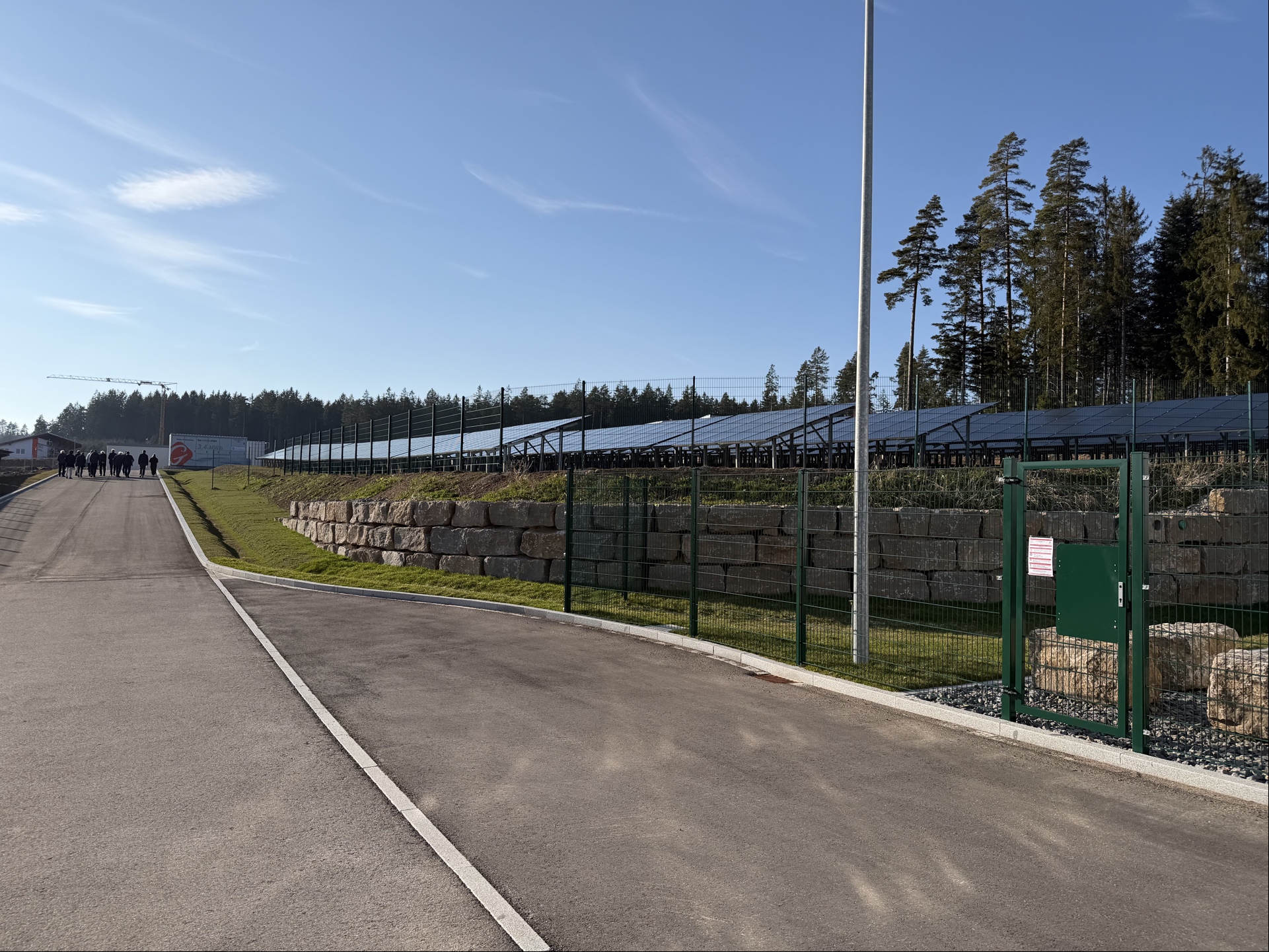
Hydrogen as Seasonal Storage
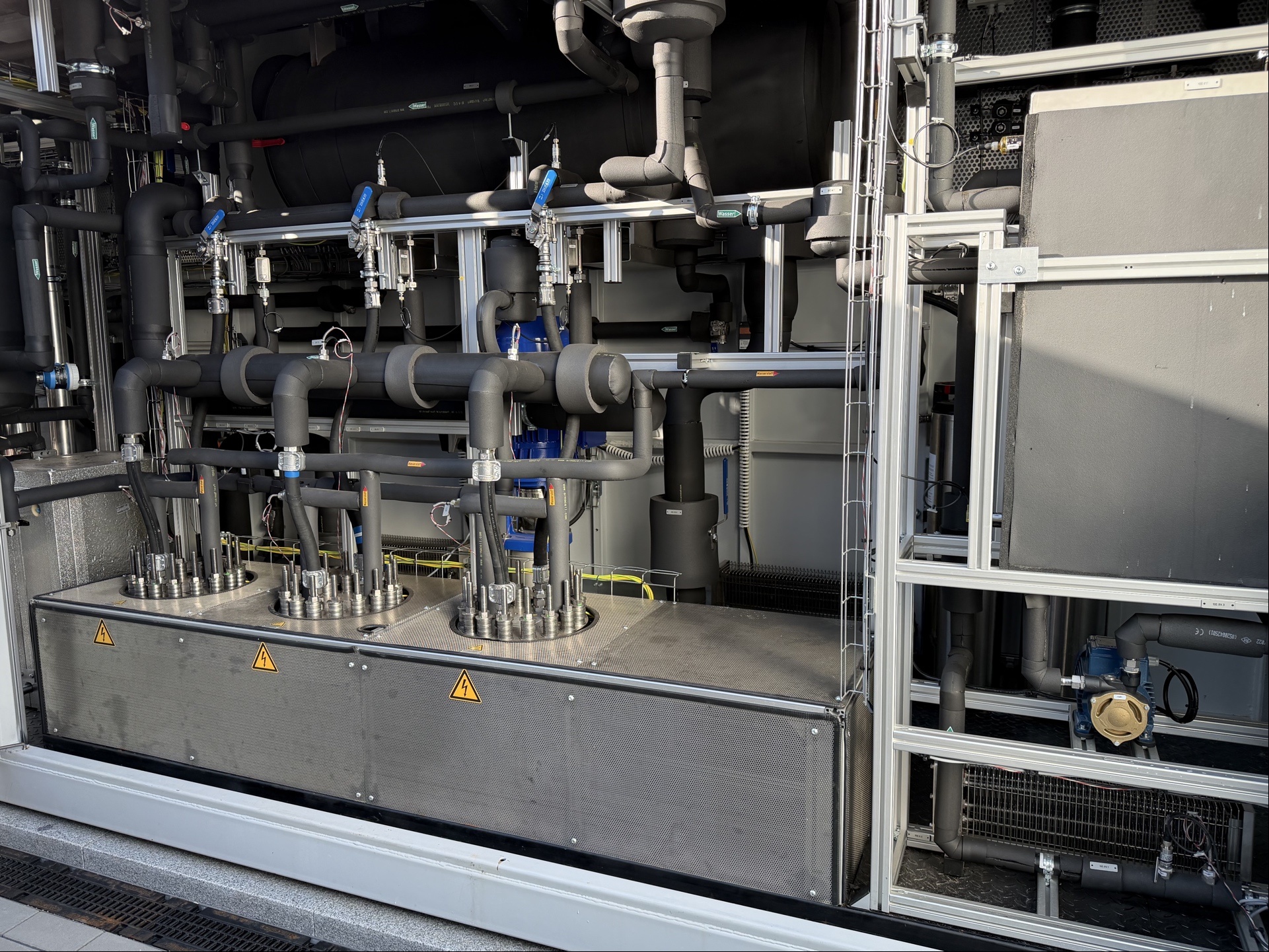
The core of the concept is hydrogen technology. The 300 kW electrolyzer splits water into hydrogen and oxygen – using treated rainwater. A 100 m³ cistern collects precipitation, which is then purified into ultrapure water. Weckermann claims a pioneering role here: rainwater as a source for green hydrogen.
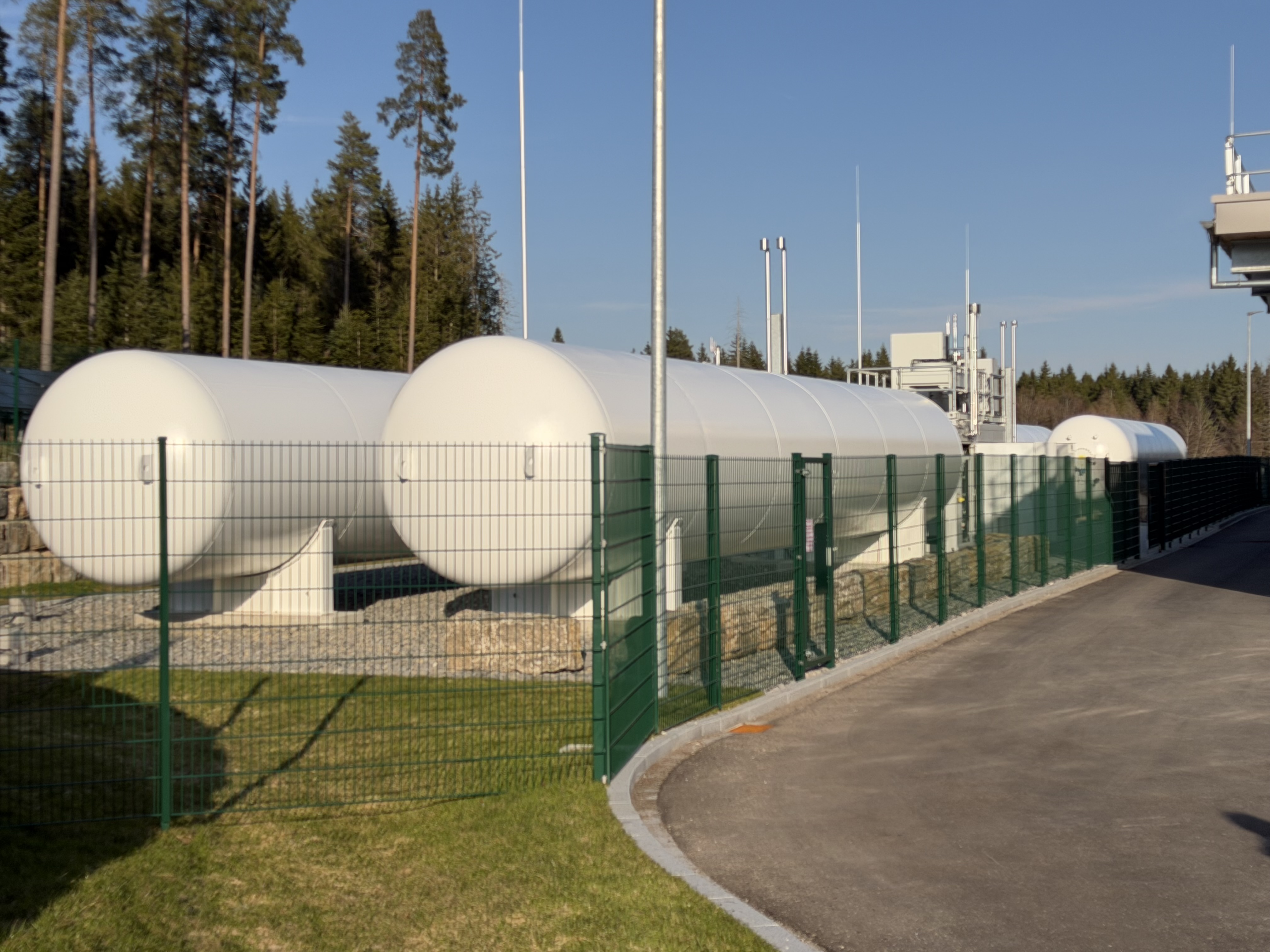
The four storage tanks hold a total of approximately 1,400 kg of hydrogen. In winter, when PV yields decrease, the 80 kW fuel cell kicks in, converting the stored hydrogen back into electricity and heat. Planned operating hours in winter: 2,000 to 2,500 hours. The system even allows for multi-day blackout operation – true resilience for a production site.
Thermal Circular Thinking
The thermal concept is particularly impressive. The 200 m³ fire water basin simultaneously serves as thermal storage: it cools in summer and buffers heat in winter. Waste heat from machines, compressed air, power electronics, and the fuel cell is fed into separate heating circuits via a pipe network. A heat pump raises the temperature level if required. The principle: Every electrical kilowatt should have a dual effect.
Control Between Self-Sufficiency and Revenue Optimization
The system is not only designed for maximum self-supply but also offers control flexibility: Depending on production load, storage levels, market prices, and weather forecasts, it can switch between maximizing self-sufficiency (up to 90%) and optimizing revenue (approx. 75% self-sufficiency with peak feed-in). Strategies such as arbitrage, utilization of negative electricity prices, and grid-serving feed-in are planned. In one to two years, AI-supported overall system control is expected to take over the management.
What I Take Away
The visit to Weckermann shows: Energy self-sufficiency in SMEs is not a utopia, but an investment decision. 8 million euros is no small sum, but the amortization period, depending on the scenario, is 9 to 20 years – and the soft factors weigh heavily: predictable energy costs, a strong CO₂ balance, employer attractiveness in rural areas, and resilience against grid failures.
The project organization was crucial: a key person was released for three years, external expertise was involved early, and the personal commitment of leadership was openly addressed. This is not a side project – it is a strategic business decision.
"This project demonstrates how engineering services provide concrete answers to the current challenges of energy supply. The combination of photovoltaics, battery storage, and hydrogen technology enables medium-sized companies to achieve a stable and sustainable energy supply." – Julian Schnitzius, Bernard Gruppe
For the HSG HUMMEL Service Group, this visit confirms our conviction: The future of energy supply lies in integrated, sector-coupled systems that combine generation, storage, heat, and intelligent control. This is exactly what we are driving forward with REVOLUTION E – and projects like AWVision23 show that the path is feasible.
Frank Hummel visited August Weckermann KG on March 19, 2026, as part of a technical excursion. The HSG HUMMEL Service Group advises companies on the planning and implementation of integrated energy solutions.
Connect with Frank Hummel on LinkedIn
For latest insights on energy, electrification and innovation