All Case Studies

REVOLUTION E · External Case Study

Weckermann: Energy Supply as a Business Decision.

AWVision23 connects solar PV, battery storage, hydrogen and heat utilisation at August Weckermann KG's manufacturing site in Eisenbach. Frank Hummel visited the system on 19 March. It illustrates the close connection between energy architecture, site strategy and operations.

Photographs: Frank Hummel · Site visit on 19 March

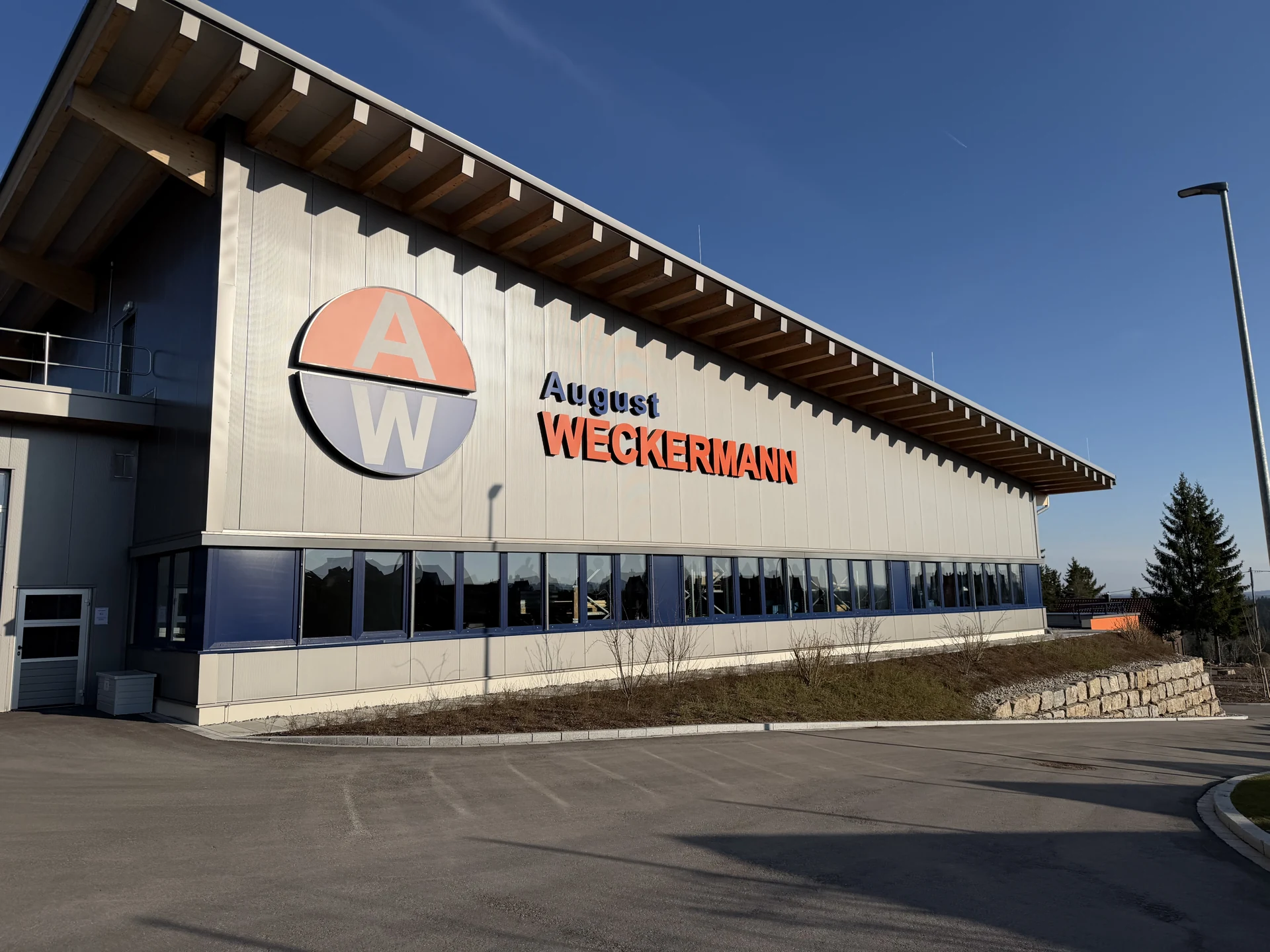
August Weckermann KG in Eisenbach in the Black Forest – Frank Hummel's own site-visit photograph.
Solar PV · rooftop and ground-mounted
2,700 kWp
Battery storage · 1,700 kW power
3,400 kWh
Electrolysis · stack power
300 kW
Fuel cell · electrical output
80 kW

System figures from the operator's current project page, checked on 13 October 2026. The page states annual PV generation of 2,835,000 kWh. HSG has not independently measured these figures. [1]

Energy is part of the site strategy

Developing a new manufacturing site creates the opportunity to plan generation, loads and storage together. Weckermann describes securing the site, stable energy costs and future-ready production as the objectives of AWVision23. The project idea dates to 2021; the company states completion in 2025.

From an entrepreneurial perspective, the aim is to supply energy when production needs it. Value comes from the interaction of the load profile, on-site generation, time shifting and heat recovery. Organising ongoing operation is therefore part of the investment decision.

[1]

Generation, storage and heat as one system

Each component serves a different purpose. Their interaction makes the system relevant to manufacturing businesses.

Ground-mounted PV installation at August Weckermann in Eisenbach
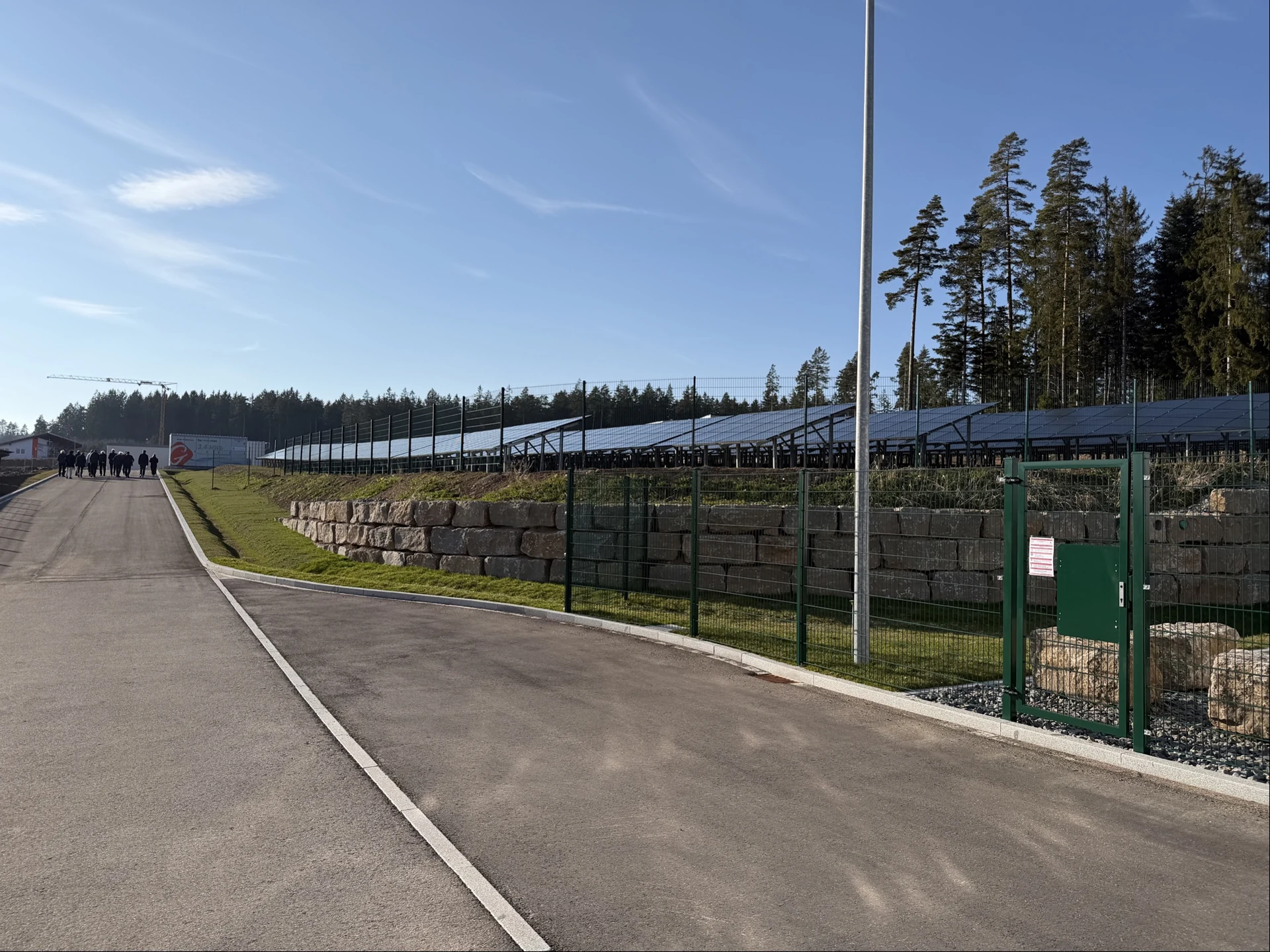
Ground-mounted solar PV at the hillside site · Photograph: Frank Hummel

Solar PV: generation at the site

700 kWp of rooftop PV and 2,000 kWp of ground-mounted PV form the generation base. The operator's current page states annual generation of 2,835,000 kWh. The timing of this energy determines direct consumption and storage requirements. [1]
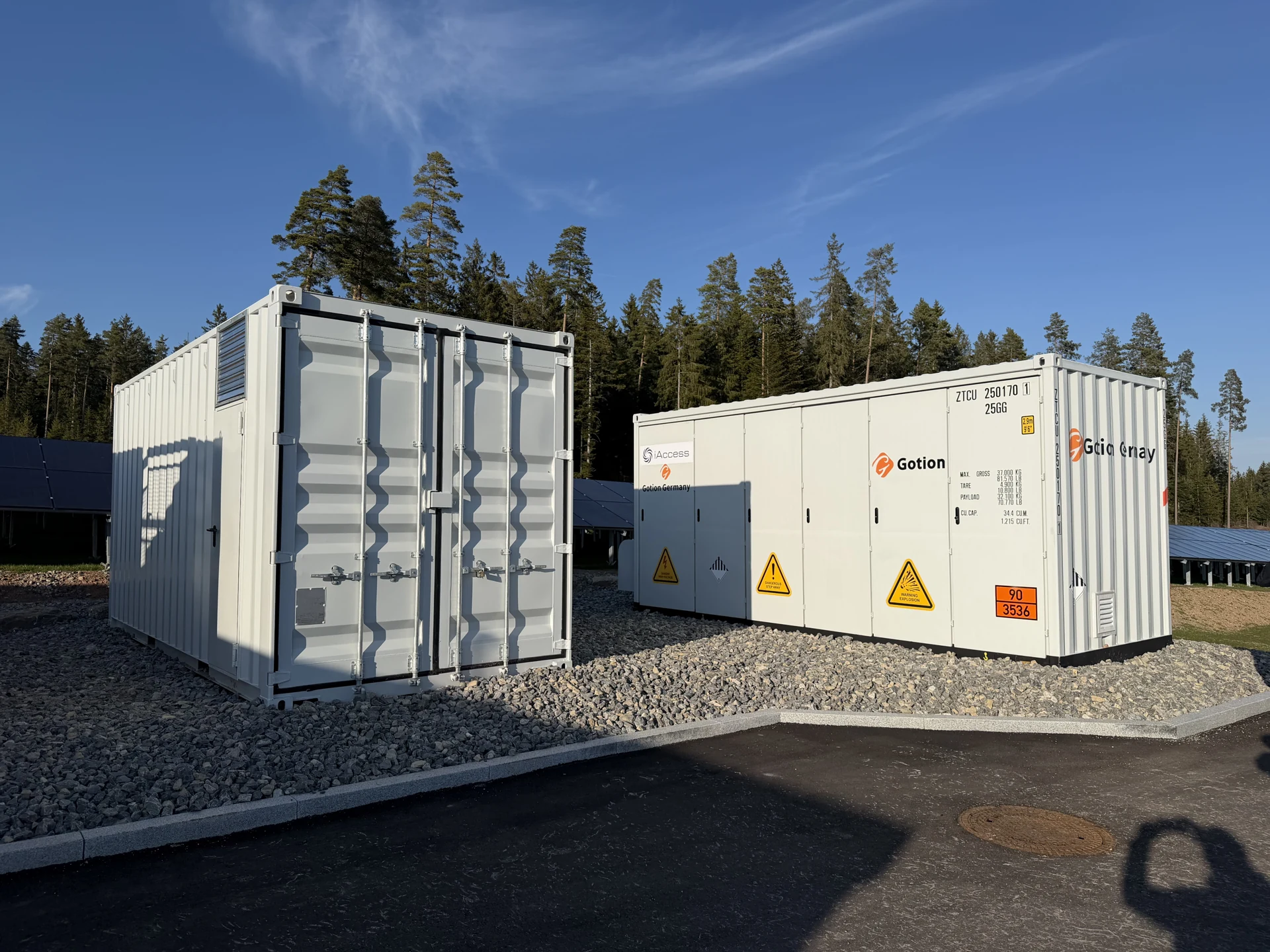
Battery storage containers at August Weckermann
Short-duration storage within the energy system · Photograph: Frank Hummel

Battery storage: flexibility over hours

3,400 kWh of storage capacity and 1,700 kW of charge and discharge power enable solar energy to be shifted in time. The operator describes day-to-night shifting as a key function. The economic value of peak reduction depends on actual load profiles and tariffs. [1]

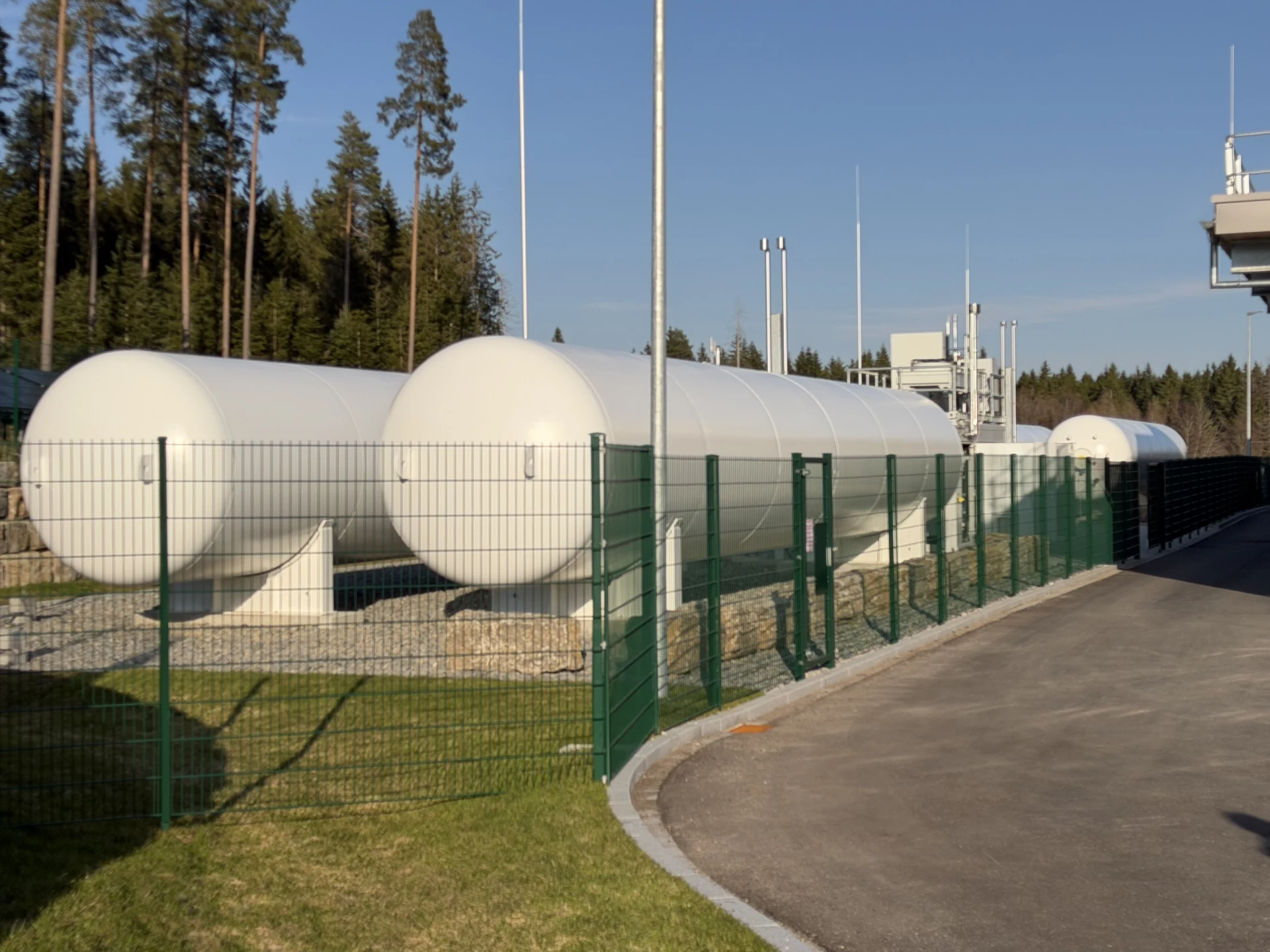
Hydrogen storage tanks for AWVision23 at August Weckermann
Hydrogen storage for subsequent use · Photograph: Frank Hummel

Hydrogen: storage over longer periods

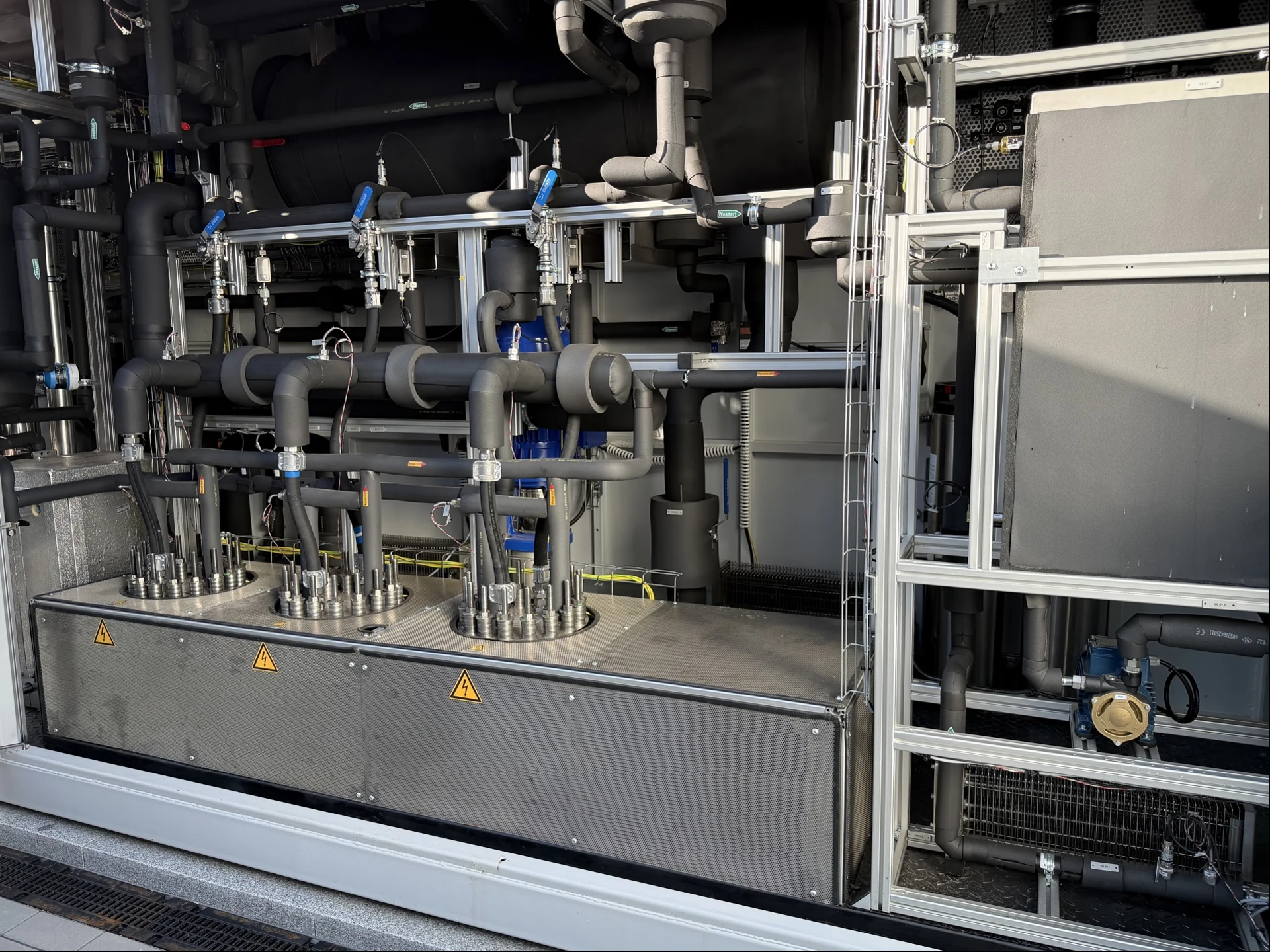
An electrolyser with 300 kW of stack power produces hydrogen from treated rainwater. The operator states total hydrogen storage of 1.4 tonnes across four units. An 80 kW electrical fuel cell converts it back to electricity as required; the resulting heat is integrated into the heating network. [1]

Equipment inside the electrolyser at August Weckermann
A view of the electrolysis equipment · Photograph: Frank Hummel

Heat: recovering energy in operation

Heat recovery and heat pumps complement the electricity supply. The visit report describes the use of waste heat from machinery and other system components. For any other site, temperature levels and usage periods require separate assessment, especially for process heat. [3]

Economic assessment

The business case starts with the whole operation

Published investment figures show the project's scale and provide a basis for a transparent assessment of capital requirements. A complete return calculation also requires actual operating costs and cash flows.

Published project investment
EUR 8.0m
Reported Baden-Württemberg funding
EUR 2.5m
Calculated investment balance after funding
EUR 5.5m

Calculation: EUR 8.0m investment − EUR 2.5m funding = EUR 5.5m. This balance is not a verified equity contribution. Financing, grant payment timing, tax treatment and lifecycle costs are not included. The operator and H2-Wandel's visit report state the investment and funding figures. [1] [3]

Energy costs and self-supply

The operator currently states that around 90% of its electricity demand is self-supplied. This is the company's statement about electricity supply. Economic assessment requires avoided purchase costs, remaining grid imports, storage losses and actual export revenues. [2]

Flexibility and operating costs

Batteries and hydrogen serve different time horizons. Maintenance, efficiency, replacement investment and useful heat potential belong in the same lifecycle comparison. Grant funding is accounted for transparently as a separate component.

Resilience and site quality

Security of supply and predictability have strategic value. A sound resilience business case evaluates critical production loads, transfer capability and avoided outage costs using verified operational data.

What I take away for REVOLUTION E

What convinces me at Weckermann is the consistency with which energy supply and production are developed together. Leadership that takes a long-term view of the site lays the foundation for this type of system. To me, this is an entrepreneurial task delivered through technology.

For REVOLUTION E, the working logic is clear: clarify the decision, calculate the business case and orchestrate implementation. The economically appropriate combination of solar PV, batteries, heat and mobility follows from actual site data. Hydrogen is a project-specific option where storage and utilisation requirements support it.

Frank Hummel · Entrepreneurial sparring partner for transformation and energy

Sources and reference dates

Site visit: 19 March. Sources checked: 13 October 2026. Technical and financial figures are published operator statements, complemented by the visit report. This study provides an entrepreneurial perspective on an external project. Technical acceptance and validation of operating economics remain with the operator and its project partners.

  1. August Weckermann KG: AWVision23 – concept, components and project figures
  2. August Weckermann KG: current company statement on self-supplied electricity
  3. H2-Wandel: site-visit report on August Weckermann
Read the personal visit report

Clarify the energy decision for your site

Actual site data provides a sound basis for investment and delivery. The All-Electric Site Assessment connects electricity, heat, process heat and mobility with a transparent economic evaluation.