Climate Policy Has Long Been Economic Policy
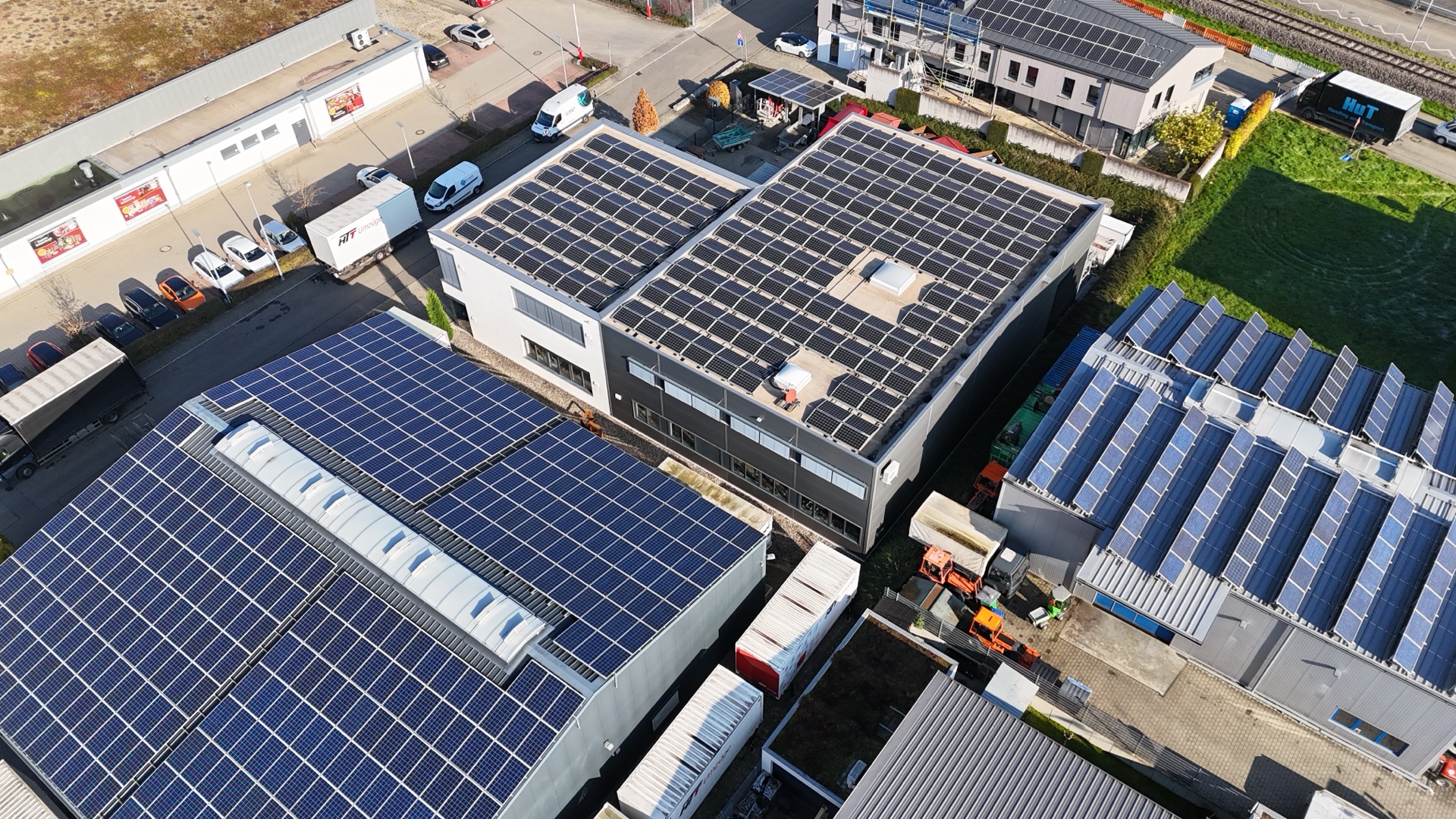
Rooftop solar PV on commercial buildings: on-site generation as part of the energy supply.
What COP31 means for energy investment, competitiveness and how we deal with CO₂.
The COP31 UN Climate Change Conference in Antalya ended on 22 November 2026 without agreement on an overarching final text. One central point of contention was how to approach coal, oil and natural gas going forward. Nevertheless, there were outcomes on individual negotiating issues and voluntary pledges. 1 2
I find it disappointing that, once again, no shared direction was agreed on this issue. For me, however, the outcome also shows how closely climate policy and economic interests are now intertwined.
The energy transition is changing business models, international dependencies and the competitiveness of entire economies. Anyone discussing climate policy is therefore also discussing industry, value creation and economic power.
Economic interests lie behind the climate debate
A country that earns substantial revenue from oil and natural gas views the transformation of the energy supply differently from one that has to import large quantities of these fuels.
For some, the priorities are export revenues and existing business models. For others, they are security of supply, affordable energy and reduced dependence on imports. At the same time, new markets are emerging for solar technology, batteries and electric drive systems.
These interests do not fall into neatly defined camps. Countries that export fossil fuels can also support a transition away from them. At COP31, the EU wanted to enshrine this direction in the final text. Saudi Arabia was among the countries that rejected wording to that effect. 2
For me, this explains a significant part of the dispute. Questions of finance and responsibility for climate impacts also play a role. A shared climate goal does not, in itself, resolve these conflicts of interest.
Electrification is changing markets
The Turkish COP31 Presidency set out a specific target through its ‘35 by 35’ initiative: electricity’s share of global final energy consumption should rise to 35 per cent by 2035. According to the International Energy Agency, it stood at around 23 per cent in 2025. This refers to the energy used in buildings, transport and industry, for example. The share of renewables in electricity generation is a different measure. 3 4
The initiative is voluntary and non-binding. It is not a COP31 decision adopted by all countries. 1 3
I consider the direction it sets economically relevant. Electric drive systems, heat pumps and electrified industrial processes are changing how we use energy. At the same time, renewable electricity generation and storage are opening up new possibilities for energy supply. 4
An electric drive system requires significantly less final energy than an internal combustion engine to travel the same distance. A heat pump can provide several kilowatt-hours of heat from one kilowatt-hour of electricity because it also draws on heat from the surrounding environment. The extent of this advantage in actual operation depends on the conditions of use. 4
These efficiency advantages are a good starting point. Whether an investment makes financial sense needs to be assessed for each application. Electricity prices, the grid connection, utilisation and existing equipment all belong in that calculation.
Avoiding CO₂ emissions and storing carbon permanently
For me, the climate debate also needs to address how we deal with CO₂. There are two tasks: reducing emissions and, for residual emissions that are difficult to eliminate, additionally removing CO₂ from the atmosphere and storing it for the long term. The IPCC describes carbon dioxide removal as a complement to deep emissions reductions. 5
My priority is to avoid emissions in the first place.
Solar PV and the electrification of heating or mobility can reduce fossil energy use. Storage and energy management can help these elements work together. The actual CO₂ impact depends on the previous energy system, the source of the electricity and emissions over the equipment’s life cycle. These technologies support emissions reduction; they do not themselves remove CO₂ from the atmosphere. 4 5
Durable carbon dioxide removal is an additional task. One example is CO₂ captured directly from the air and then stored in suitable geological formations. Chemically binding it in stable mineral compounds can also enable long-term storage. What matters is the origin of the carbon and the balance across the entire process. Capturing fossil CO₂ at an industrial facility can reduce emissions, but it does not remove CO₂ already present in the atmosphere. 5 6
The word ‘permanent’ deserves close attention. Forests store carbon, but fires, drought or human intervention can release it again. The stability of biochar depends, among other things, on the feedstock and production conditions. A general claim of permanent storage is therefore insufficient for such projects. 5 7
As an entrepreneur, I would examine the figures here too. How much additional CO₂ is removed from the atmosphere once emissions from production, energy use and transport are deducted? How long does the carbon remain stored? Who verifies this, and who takes responsibility if it is released later? The EU’s voluntary certification framework addresses precisely these questions of net removal, additionality and monitoring. 8
For me, cost and verified climate impact belong together. Anyone spending money on carbon dioxide removal needs a demonstrable service over the agreed storage period.
What does this mean for businesses and property?
As an entrepreneur, one question interests me above all:
How do we secure our energy supply, keep our costs under control and maintain our ability to act?
This question arises in manufacturing businesses just as it does in the housing sector or in property investment. The requirements differ. The link between energy supply, operating costs and long-term investment remains.
To address it, we need to consider electricity, heat and mobility together. Process heat is part of the picture wherever it is needed. What matters is when energy is required, what capacity must be available to meet that demand and how usage will change in future.
Anyone expanding charging infrastructure, for example, should assess the impact on the grid connection. Anyone electrifying a heating system needs to account for the additional electricity demand and its seasonal pattern. And anyone planning an energy storage system needs a clear understanding of the role it is meant to fulfil.
This creates a basis for decision-making that fits the building or site.
Good technology needs a sound business case
A solar PV system can reduce electricity costs. An energy storage system can limit peak demand or increase the use of electricity generated on site. Energy management can help align generation and consumption more effectively.
Whether this produces an economic benefit depends on how the elements work together and on the actual conditions. A storage system that is rarely used ties up capital. A system designed without regard to actual demand cannot realise its full potential benefit.
That is why I want to know: which investment will deliver a clear, demonstrable benefit first? How will operating costs change? And will the decision remain defensible if energy prices, utilisation or financing turn out differently from what we expect?
Maintenance, replacement investments and the organisation of operations must also be included in the calculation. The cheapest offer at the point of purchase can turn out to be the more expensive choice over its service life.
For me, a transparent CO₂ balance also belongs in the assessment. What emissions arise today? What will the planned investment change over its service life? What emissions remain? Anyone considering carbon dioxide removal as an additional measure should show its costs and supporting evidence separately.
Continuing to operate an existing system can also make sense. What matters is that we assess this option deliberately and recognise when the conditions for a new investment change.
Energy investment belongs on the management agenda
After more than 30 years of entrepreneurial responsibility, I know how closely technical decisions are connected to capital, people and processes.
In my work as an energy architect, I bring these perspectives together. A technically interesting solution must fit the financial circumstances and work in day-to-day operation. That requires robust assumptions, clear priorities and people who take responsibility for implementation.
At REVOLUTION E, we assess energy investments in the context of the site as a whole and coordinate delivery with specialist partners. My aim is to turn the available options into a well-founded decision – and that decision into a solution that proves its value in operation.
My conclusion from COP31
International climate negotiations remain important. They establish frameworks and enable cooperation that no individual business can replace.
At the same time, we can already assess the options available at our own sites today. A sound investment decision takes the policy framework into account and remains well-founded even amid uncertain developments.
For me, climate protection belongs in that assessment just as much as financial viability and security of supply. Avoiding emissions and storing carbon permanently are different tasks. Both require demonstrable results and clear responsibility.
The energy transition is also shaped wherever businesses invest capital, develop buildings and take responsibility for their energy supply.
Which energy investment would genuinely reduce your costs and dependencies? And what else do you need to make an informed decision?
Frank Hummel – Entrepreneur and Energy Architect
References
- 1.UNFCCC: Simon Stiell’s closing remarks at COP31, 22 November 2026.
- 2.NPR: Report on the dispute over fossil fuels and the conclusion of the conference, updated on 22 November 2026.
- 3.COP31 Presidency: Target and voluntary, non-binding status of the ‘35 by 35’ electrification initiative.
- 4.IEA: Electrification, the 2025 baseline and the efficiency of electric applications.
- 5.IPCC: Carbon dioxide removal, its complementary role and differences between storage methods.
- 6.IEA: Distinction between fossil carbon capture and storage and atmospheric carbon dioxide removal.
- 7.IPCC: Biochar and the conditions for long-term carbon storage.
- 8.EU Regulation 2024/3012: Voluntary carbon removals certification framework; net impact, additionality and monitoring.
Connect with Frank Hummel on LinkedIn
For latest insights on energy, electrification and innovation